

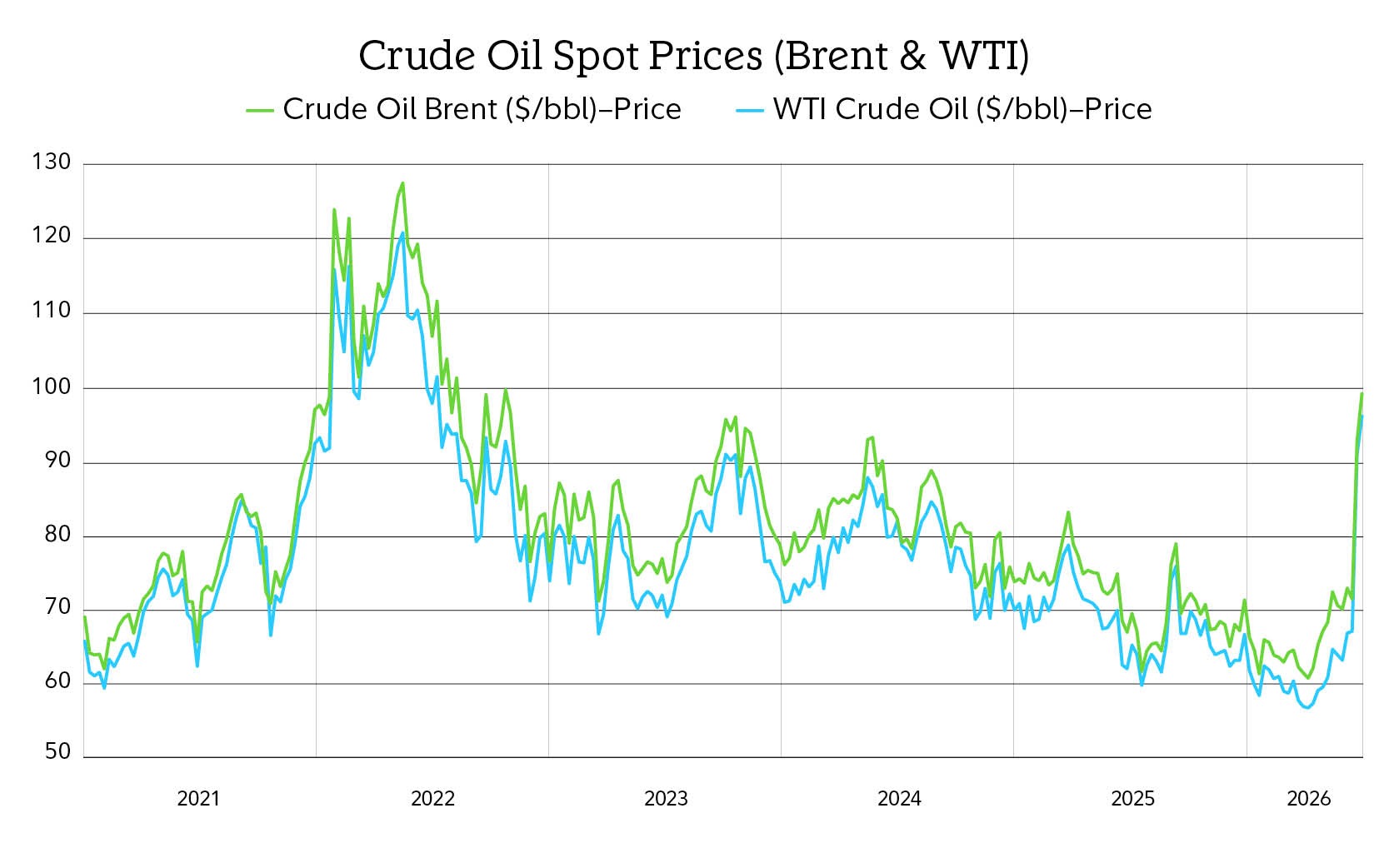
As a Las Vegas real estate broker, I’ve seen firsthand how global events can quickly influence our local market. The ongoing 2026 Iran conflict—sparked by U.S. and Israeli airstrikes on February 28 that led to the death of Supreme Leader Ali Khamenei, retaliatory strikes, and the effective closure of the Strait of Hormuz—has driven oil prices well above $100 per barrel. This energy shock is fueling inflation fears, increasing borrowing costs, and adding uncertainty for home buyers and sellers right here in Southern Nevada.
If you’re thinking about buying in Summerlin, Henderson, or near the Strip—or selling to relocate—here’s a straightforward, up-to-date breakdown of how the war is impacting the Las Vegas housing market, a realistic short-term mortgage rate forecast, and what the upcoming Federal Reserve chair change (Kevin Warsh nomination) could mean.

Las Vegas Housing Market Snapshot – Mid-March 2026
Recent data (February 2026 closings, released early March) shows a cooling but stabilizing market:
Median single-family home price: $481,995 (+2.6% from January, but -0.6% year-over-year)
Sales volume: down ~9.4% year-over-year (1,614 single-family homes closed)
Active listings without offers: up 17.2% year-over-year to 6,131 units
Average days on market: around 55 days (longer than last year)
Months of supply: approaching 4 months (shifting toward balance and more buyer-friendly conditions)
More inventory gives buyers better choices and negotiating power compared to the ultra-competitive years of 2021–2024.
How the Iran War Is Affecting Las Vegas Real Estate
Energy & Inflation Pressures
Surging oil prices mean higher gas, utility bills, and commuting costs, which squeeze household budgets. Construction materials like steel and cement are also more expensive due to supply chain disruptions → builders may delay projects or pass on costs, limiting new inventory and keeping pressure on prices.
Mortgage Rates Climbing Again
The 30-year fixed mortgage rate averaged 6.11% as of March 12, 2026 (up from sub-6% levels earlier in the year), according to Freddie Mac. Bond markets reacted to war-fueled inflation fears, reversing recent declines and reducing purchasing power for many buyers.

Consumer Confidence & Local Economy Impact
Las Vegas relies heavily on tourism and hospitality. Disruptions in global travel or conventions could lead to job uncertainty, fewer out-of-state relocations (especially from California), and softer overall demand.
Short-Term Mortgage Rate Forecast: Next 30, 60, and 90 Days
Current 30-year fixed rate benchmark: ~6.11% (as of mid-March 2026).
Forecasts draw from major sources like Fannie Mae, MBA, NAR, and Bankrate, adjusted for ongoing geopolitical risks:
30 Days (mid-April 2026): 6.1% – 6.3%
Rates likely hold or edge higher if oil stays elevated and inflation data surprises upward. Quick de-escalation could pull them toward low 6%.
60 Days (mid-May 2026): 6.0% – 6.2%
Slight relief possible if the Fed signals cuts or tensions ease. Persistent conflict keeps us in the mid-6% range.
90 Days (mid-June 2026): 5.9% – 6.1%
Gradual cooling toward high-5% territory if inflation moderates (aligning with Fannie Mae’s longer-term view). Prolonged uncertainty could stabilize around 6.1%.
Even a small 0.25% drop saves hundreds monthly on a typical loan— but don’t expect dramatic relief in the very short term.
The Upcoming Fed Chair Change: Impact of Kevin Warsh
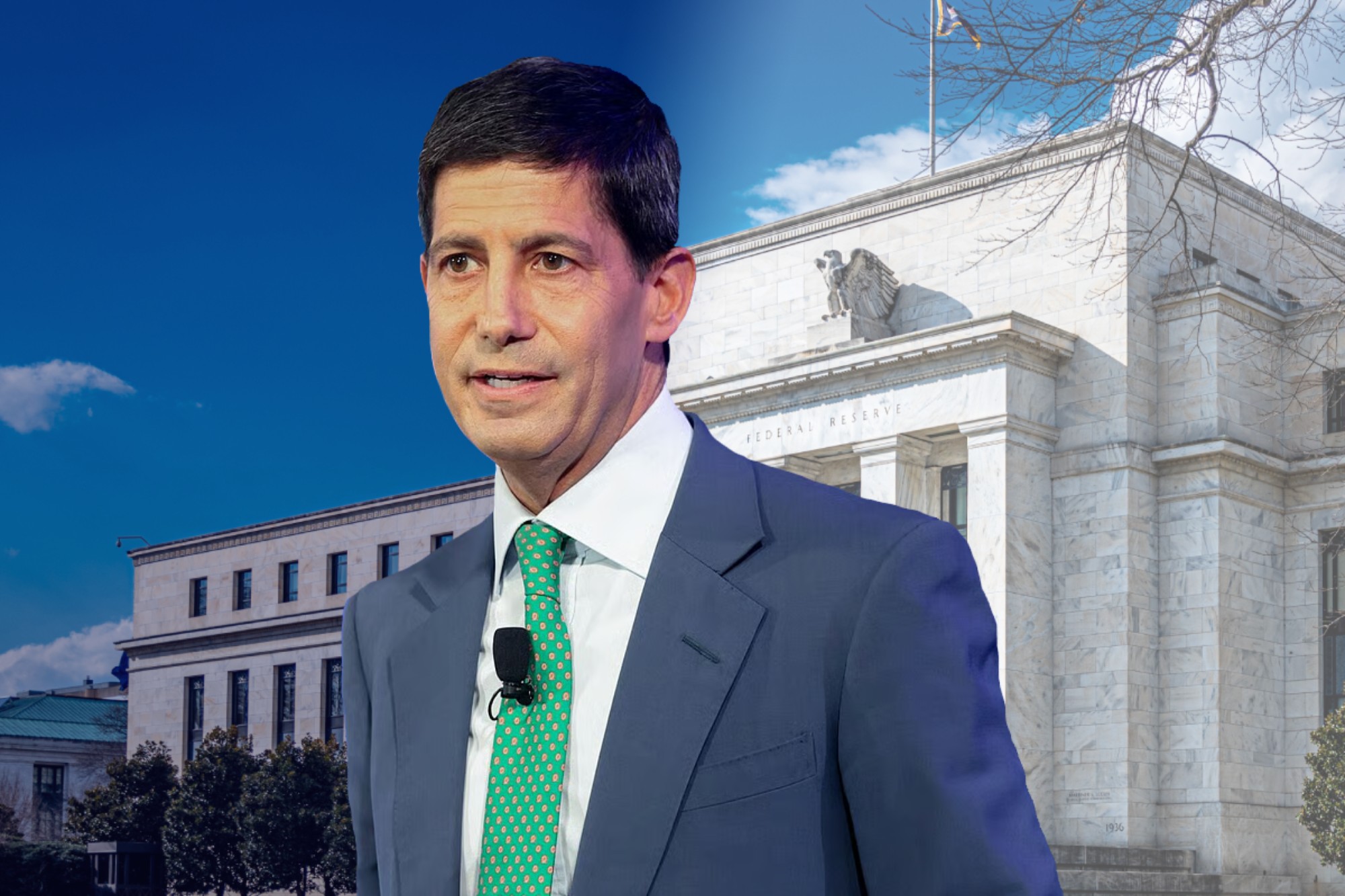
Jerome Powell’s term ends in May 2026. President Trump nominated Kevin Warsh, a former Fed governor known as an inflation hawk with strong Wall Street ties. Warsh may favor rate cuts if inflation clearly cools and productivity (e.g., from AI) proves disinflationary, but his cautious stance during geopolitical uncertainty could lead to slower or fewer reductions than some expect. This might keep rates elevated longer, delaying affordability gains for Las Vegas buyers—but it could also bring more stability by focusing strictly on data over politics.
Advice for Las Vegas Buyers & Sellers Right Now
Buyers — Inventory is rising, competition is softer—get pre-approved and shop actively. Lock in if you find the right home; waiting for big rate drops is a gamble.
Sellers — Price realistically, stage well, and consider concessions. Homes in desirable areas with strong appeal (e.g., near the Strip or good schools) are still moving.
Everyone — Keep an eye on oil prices, CPI reports, and Fed news. A rapid conflict resolution could quickly improve sentiment and rates.
The Las Vegas market remains resilient, but timing matters in uncertain times. If you’re ready to buy, sell, or just want a no-pressure chat about your options (Summerlin, Henderson, investment properties, etc.), reach out—I’m here to help navigate this!